
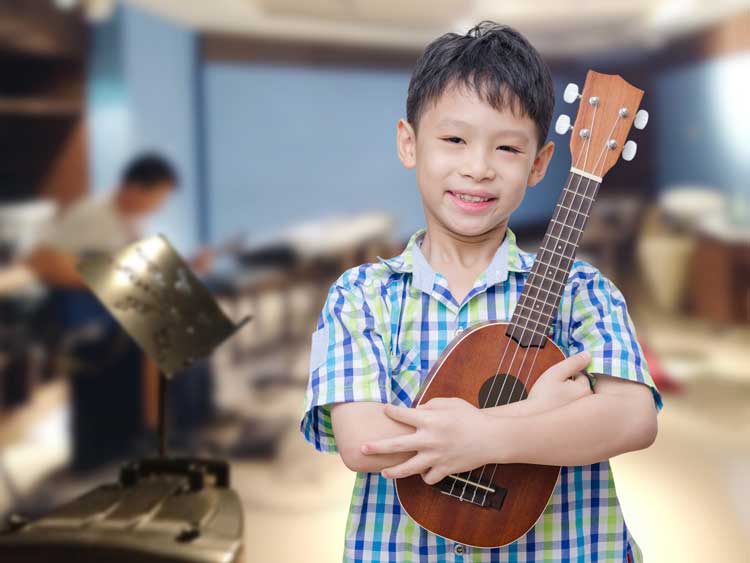
Ukulele Lessons in Mississauga

Award Winning

Ukulele Lessons in Mississauga

Discover how easy it is to learn to play Ukulele

Music School Page Page-Section Divider

Beautiful Sound Makes Everyone Happy

The happy sound of Ukulele

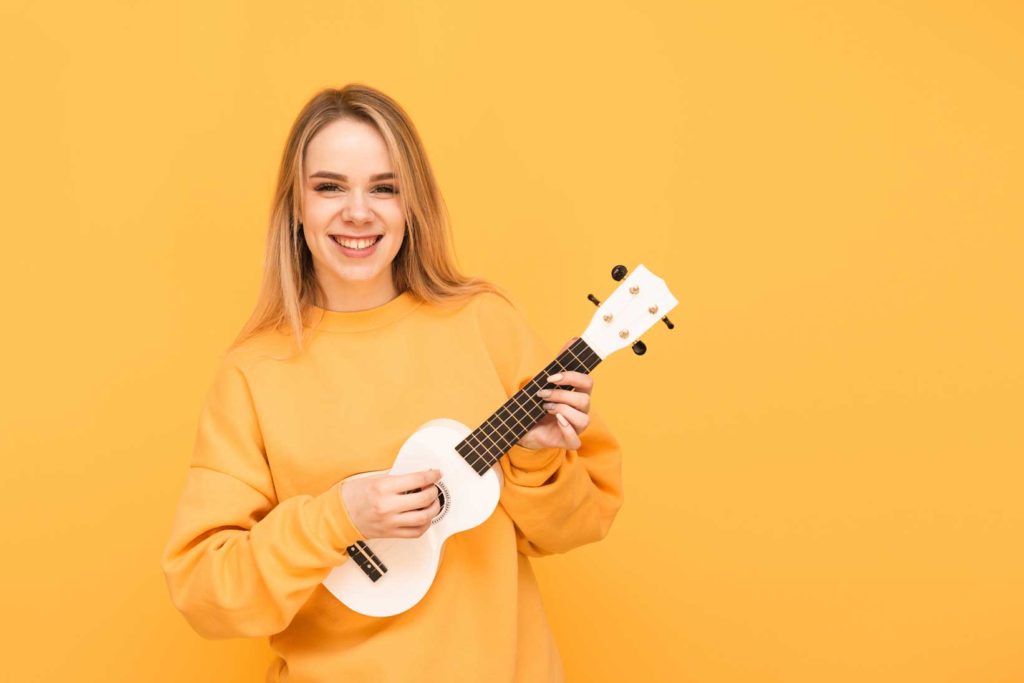
You may be one of the many people who have always wanted to learn to play the ukulele and have finally decided to look for private ukulele lessons. We encourage you to pursue the ukulele. Our music school has many wonderful ukulele teachers who would be very happy to guide your learning process.

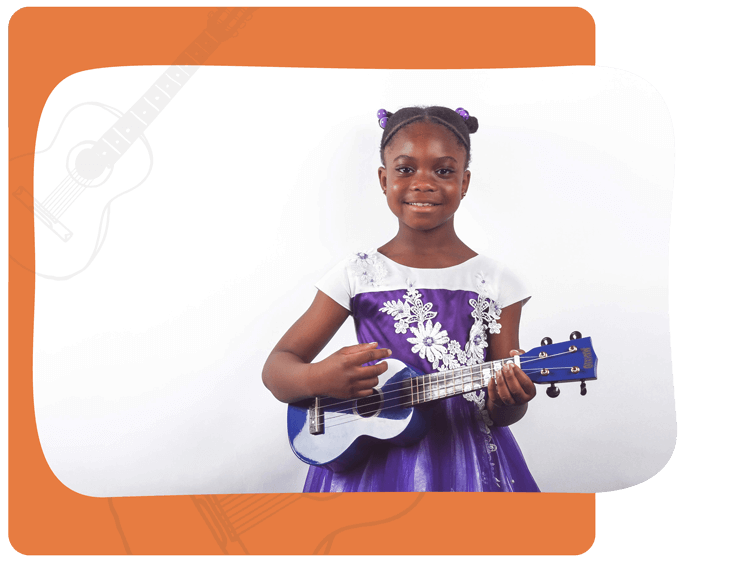
One of the best ways to start someone's music education is by teaching them to play this funky and cute little instrument. Don’t be fooled by its size and its looks. It may look funky and cute, kind of like a miniature guitar, but it sure can make beautiful music that makes people very happy.

About Our Music School & Ukulele Classes

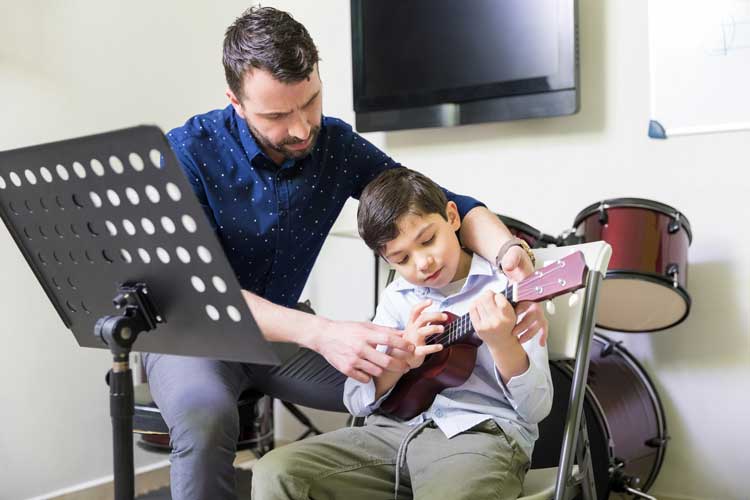
Our music school offers in-person ukulele lessons at our convenient Mississauga, Ontario location and also online ukulele lessons. Our highly qualified instructors have many years of teaching experience on top of their extensive musicianship. They are personable and caring individuals who enjoy sharing their love for this wonderful instrument with their students. They work hard to provide lessons that are individualized according to their student’s learning needs and learning style in an effort to accomplish their student’s goals. This makes learning to play the ukulele fun and easy. We teach technique, scales, ear training, reading notes and improvisations.

Ukulele Lessons at Our School

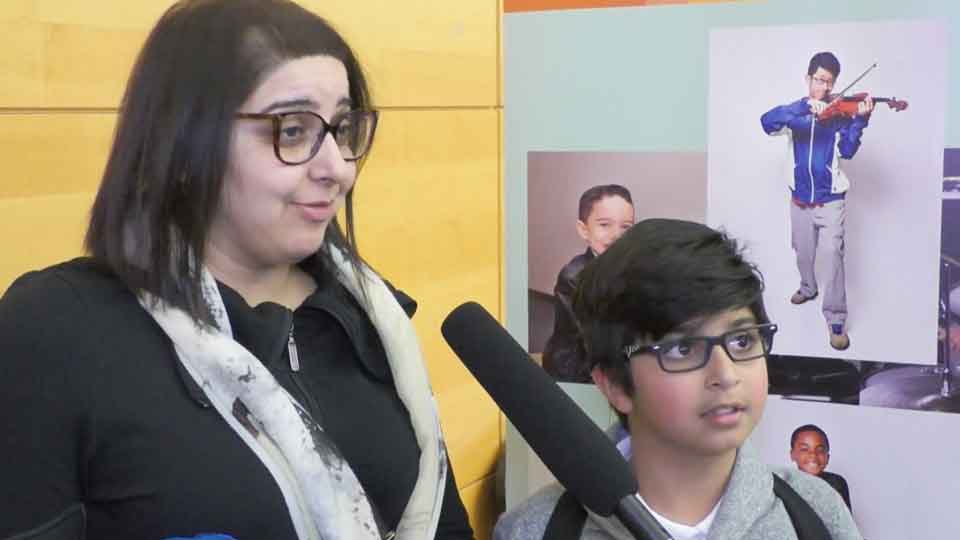
Student and Parent Testimonials

Check out the many testimonials from our students and parents. They speak louder than anything anyone says

What Is Ukulele?

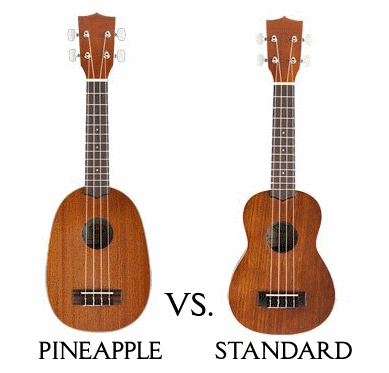
The ukulele, also known as the uke, is a four-stringed fretted musical instrument that belongs to the lute family of instruments. It resembles a classical guitar but it is quite smaller in size. Some ukes have a more oval shape and are referred to as the “Pineapple Ukuleles”.

What is Ukulele?

The ukes are usually made of wood like acacia (koa wood), mahogany, rosewood or walnut and sometimes a combination of different kinds of wood. There are also cheaper ukulele versions made of laminate wood, plywood and even plastic for young children to play.

The four strings are usually made of nylon although there are some that use wire and even gut strings. The strings can be plucked or strummed. There are some ukuleles with 6 strings (2 strings are paired and 2 are single) and even 8 strings (all 4 strings are paired).

The ukulele uses a reentrant way of tuning where the strings are not all ordered from the lowest pitch to the highest. Standard ukulele tuning is G C E A. 

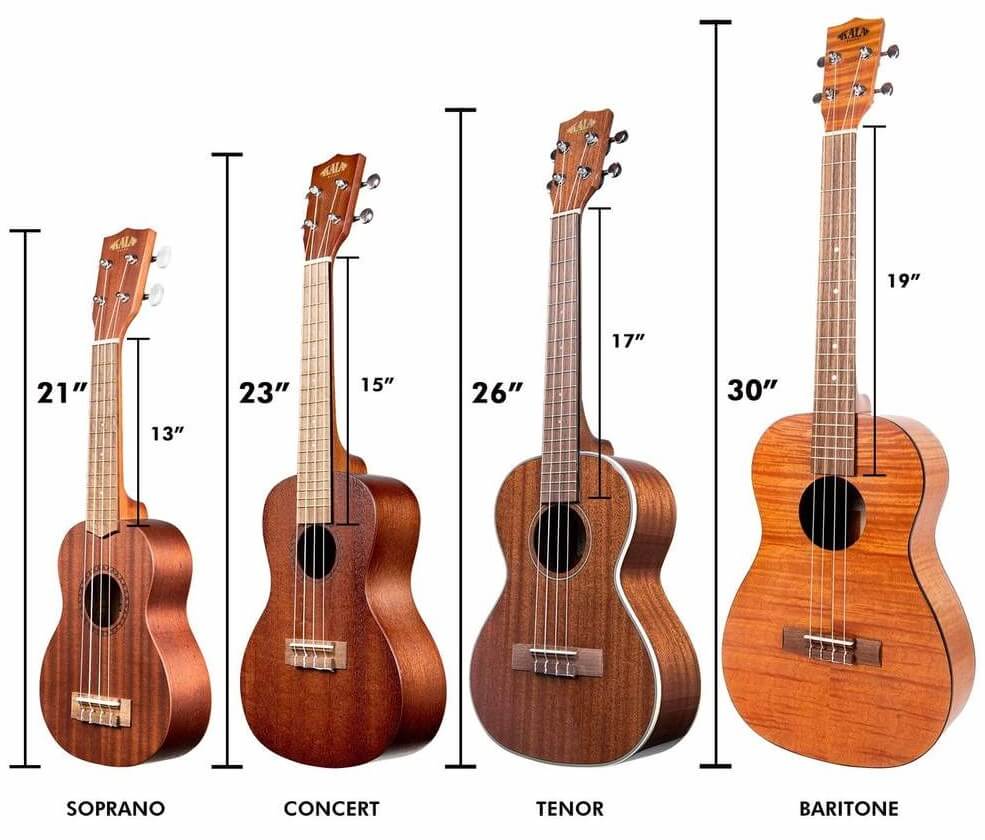
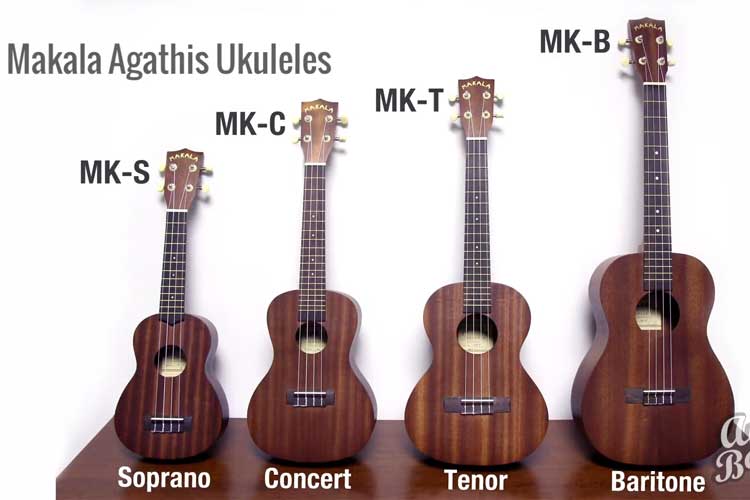
There are different ukulele types and sizes. The standard ones being the soprano, concert, tenor and baritone:

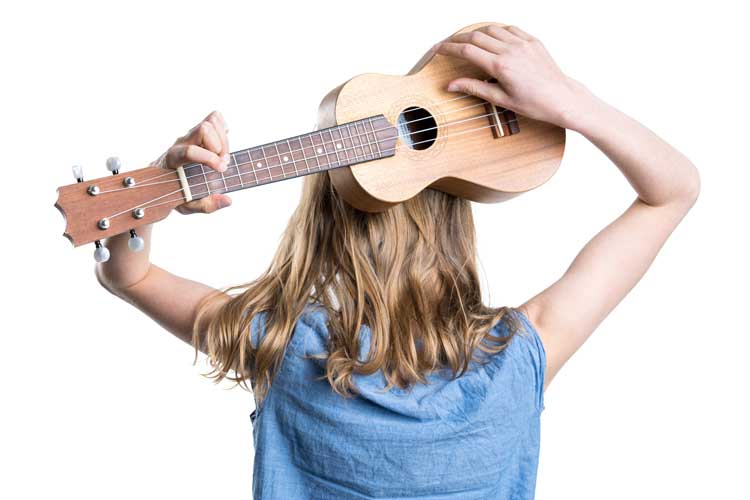
Different types of ukulele

You can see and hear the sound of the different ukuleles in this video :

Makala Aganthis Ukuleles

The Origin and History Of The Ukulele

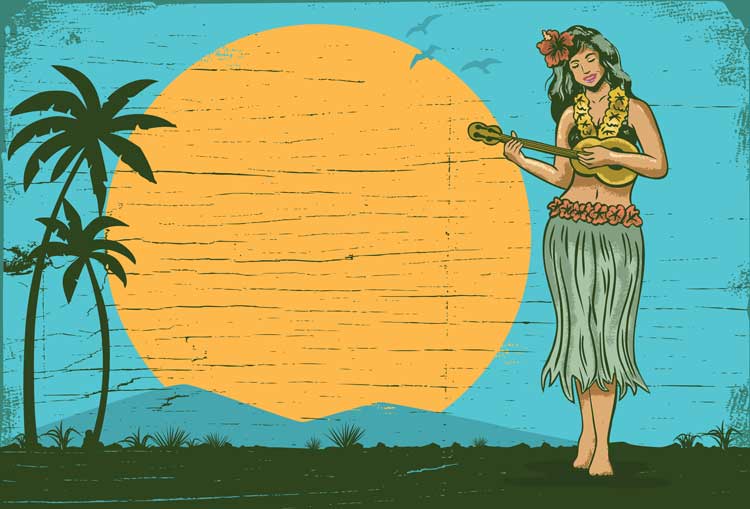
The ukulele has a rich history and tradition. Many historians have suggested that the name ukulele comes from Hawaiian words that mean “jumping flea”. The story is that some Portuguese visitors to Hawaii played the instrument they brought with them so fast that their fingers looked like jumping fleas.

There is also another suggestion that Queen Lili’uokalani, the last Hawaiian queen, named the instrument “gift from afar”, a poetic twist from Hawaiian “uku” and “lele” translated “gift” and “come”.

To many people today the ukulele is a beautiful “gift from afar.”

Historians agree that the ukuleles came to Hawaii around the year 1880. The instrument was copied, resized and shaped from its predecessor called cavaquinho also known as the machete (Portuguese machete de braga or braguinha).

Ukuleles came to Hawaii

It was brought there by Portuguese travelers who came to Hawaii to work in the sugar industry there. One of those people was Joao Fernandes who skilfully played his machete on the arrival at the Honolulu Harbour, while singing a song of thanksgiving for their safe arrival. It was his fingers playing the machete that made the Hawaiians name the instrument “jumping fleas'' or “ukulele”. 

There were three woodworkers on the boat from Portugal to Hawaii named Manuel Nunes, Augusto Dias and Jose do Espirito, who stayed even after the sugar boom industry. They opened a woodworking business in Honolulu. They also started making instruments. Their efforts promoted the ukulele but it is unclear who made the first ukulele.

The machete in Hawaii changed its size, shape and tuning. This gave the ukulele an exclusive sound and playability.

The royals in Hawaii loved the ukulele and introduced it into their music. This made the uke even more popular and eventually an inseparable part of the Hawaiian music traditions.

The ukulele was then taken to Japan where it grew in popularity even through the second world war when it was banned along with all Western music. Its popularity has grown rapidly and since then the ukulele has been played in many countries around the world.

In Canada the ukulele was brought into the education system in the 1960s by educator named J. Chalmers Doane. It was an economical way of bringing an instrument into the classroom and fostering interest in music education.

Fun Facts About The Ukulele

  • The word ukulele is pronounced “oo-koo-lay-lay” not “you-ka-lay-lee.”

  • The first ukulele craze happened in the year 1915 and the Great Depression did not affect its popularity but made it even more popular due to its low cost.

  • One of the first YouTube videos that went viral featured an ukulele played by Jake Shimabukuro.
Fun Facts About The Ukulele
  • Two most popular songs on ukulele are Jason Mraz’s “ I’m Yours” and Israel Kamakawiwoʻole’s “Somewhere Over the Rainbow.” 

  • Elvis Presley played the ukulele in his famous movie “Blue Hawaii”.

  • George Harrison from the Beatles was a big fan of the ukulele. He owned quite a few ukes and enjoyed playing them.

  • Neil Armstrong (the astronaut) is another uke fan and took one with him in space to play.

  • There is a popular orchestra made up of ukuleles called  “Ukulele Orchestra of Great Britain.”

  • Besides the standard ukuleles there are also many other variations of it like: the banjo, contrabass, bass, small sopranino (also called bambino or piccolo) and taropatch ukuleles. Nowadays you can also buy an electric ukulele.

  • Some of the best ukulele manufacturers / brands include: Martin & Co., Kala, Ohana Music, Fender, Lohanu, Cordoba, Kamaka, Kanile’a, Lanikai, Luna and Oscar Schmidt.

Is The Ukulele Easy To Learn?

Yes, the ukulele is much easier to play when compared to the guitar or other stringed instruments. Its nylon strings are easier on the fingertips and there is almost no wrist tension because its notes are reached without stretching the wrist. The chord shapes and scales are also easier to learn.

Songs from any genre are very easily adapted to be played on the ukulele. With some practice and determination students of all ages can learn to play basic ukulele and advance in no time.

Is The Ukulele Easy To Learn?

What Are The Benefits Of Playing The Ukulele

  • Ukulele is very portable, affordable and easy to take care of

  • It is a very charming instrument that is family friendly and fun to play

  • It has a rich and warm sound that puts a smile on the player’s face and on the audience’s faces too. This leads to better immunity and general well being for everyone

  • In children it helps with the development of motor and social skills

  • Playing the uke also teaches brain-hand-eye coordination

  • It helps with attention span, discipline and perseverance

  • Parents who want to ease their children into playing an instrument like guitar or violin should consider starting them at an early age with the ukulele. The skills learned in ukulele training are easily transferred to other stringed instruments.

Famous Ukulele Players

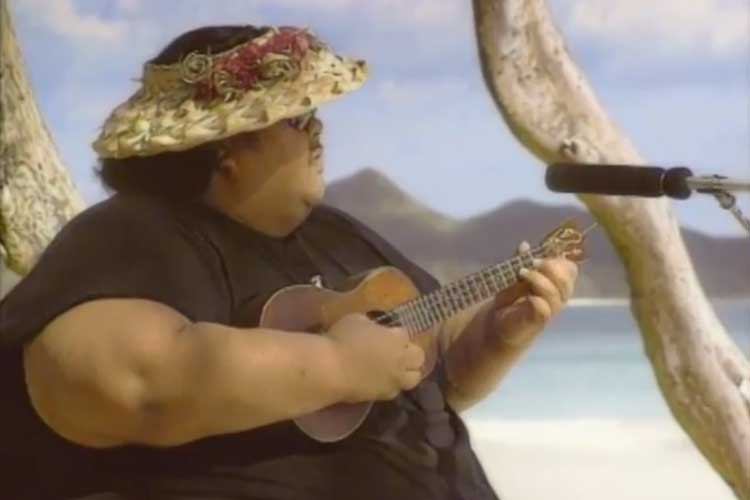
Israel Kamakawiwoʻole playing Somewhere Over the Rainbow
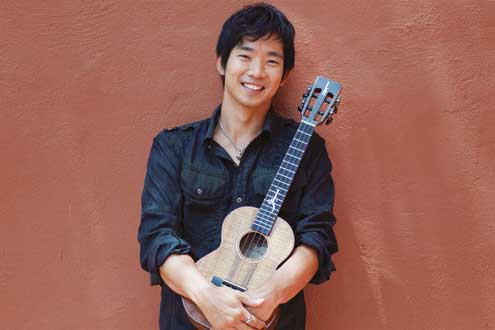
Jake Shimabukuro - Ukulele YouTuber
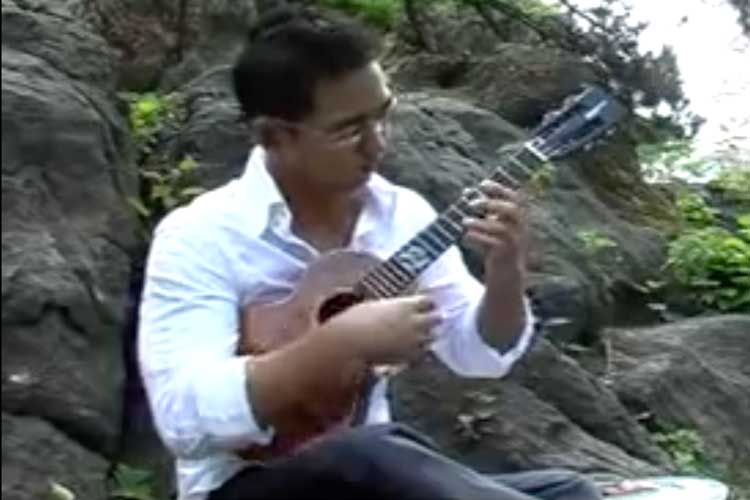
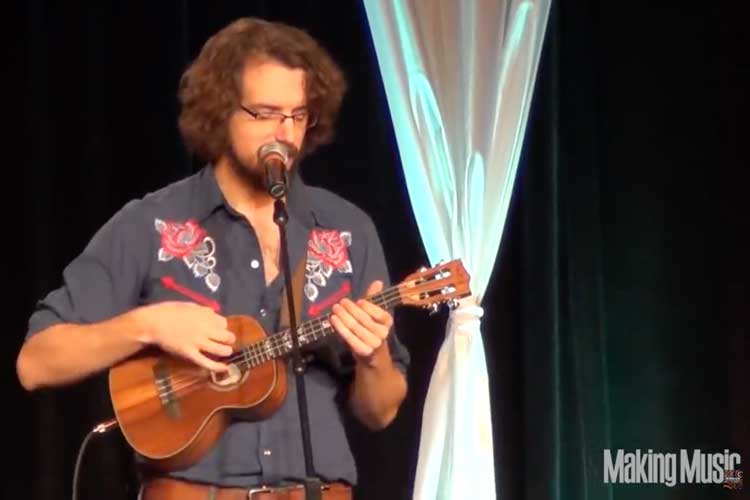
James Hill, a Canadian ukulele player
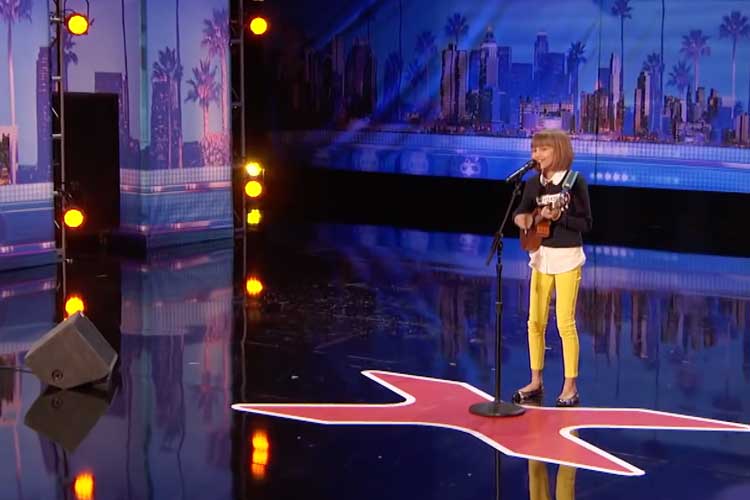
Grace VanderWaal x-Factor ukulele player

If you’d like to find true joy and happiness in a musical instrument the ukulele is for you. Even if you have never played any instruments before you can easily start learning the ukulele.

We offer beginner and advanced levels of ukulele lessons, programs designed specially for children and adults. The lessons are tailored to you/your child’s needs and individual goals. Ukulele lessons could easily transition into guitar lessons for anyone interested in guitar lessons as their next step.

FAQ

Yes, the ukulele is generally considered easier to play than the guitar. Its nylon strings are gentler on the fingertips, and the smaller neck allows students to reach notes without stretching their wrists. The academy highlights that chord shapes and scales are simpler to master, making it an excellent starting point for beginners.

Yes. The school provides both in-person ukulele lessons at their Mississauga location and online ukulele lessons. The online format is effective and convenient, allowing students to learn technique, scales, and songs from the comfort of their own homes.

Absolutely. The ukulele is a "family-friendly" instrument perfect for easing children into music education. Because of its small size and gentle strings, it helps develop motor skills and brain-hand-eye coordination in younger students who might not yet be ready for a full-sized guitar or violin.

The academy's highly qualified instructors teach a comprehensive curriculum that includes proper technique, scales, ear training, note reading, and improvisation. Teachers also prioritize fun by teaching students how to play their favourite songs from various genres.

No. One of the main benefits of the ukulele is its affordability. While there are high-end models made of koa or mahogany, there are also very affordable options made of laminate or plastic that are perfect for young children and beginners to start with.

The tuition rate for private ukulele lessons is $39.50 per 30-minute session. Lessons are scheduled weekly, available seven days a week, and require a one-time registration fee of $25.

Yes. The skills learned during ukulele training—such as strumming, rhythm, and finger placement—are easily transferable to other stringed instruments. Many students use the ukulele as a stepping stone before transitioning to the guitar or violin.

The instructors can teach students on any of the standard ukulele sizes, including Soprano, Concert, Tenor, and Baritone. They can also guide students interested in unique variations like the "Pineapple" ukulele or electric ukuleles.

Instruments We Teach & Tuition

Our Academy also offers many other types of private music lessons for children, teens and adults. Our lessons prepare our students for auditions, recitals, annual concerts and RCM examinations administered by the Royal Conservatory of Music. In an effort to accommodate your busy schedules and lesson preferences we provide private in class music lessons and online lessons, including:

Our current rate is $39.50 per 30-minute private lesson.

Lessons are scheduled once a week and available seven days a week. There is a one-time registration fee of $25.00. You do not need any prior musical experience to start any of these lessons. 

We invite you to contact us and start your/your child’s ukulele learning journey. Come to the Mississauga Fine Arts Academy and find belonging and joy that only music and the ukulele can bring.

Claim Your Free Registration

Be inspired and celebrate the new year with music lessons at Mississauga Fine Arts Academy – Claim your FREE registration and 1st FREE class to save up to $62.50

*Valid only for new students. Limit one per student. Cannot be combined with any other offer. By claiming this offer you agree to be contacted by our office.
By checking this box, I consent to receive text messages related to scheduling confirmations, appointment or cancellation reminders, and rescheduled appointments, motivational messages and program participation-related messages, Invoice receipts, payment confirmations, upcoming recitals, school closures due to weather, changes to policies, updates with concert dates and times, and new program special offers, seasonal discounts from Mississauga Fine Arts Academy. You can reply STOP to opt out at any time. Messages and data rates may apply. Message frequency will vary. Reply HELP to (905) 276 0251 for assistance. For more information, refer to our Privacy Policy and SMS Terms and Conditions on our website.

Request Info

You can text Mississauga Fine Arts Academy for information regarding our services. By texting Mississauga Fine Arts Academy, you agree to receive Conversational, Marketing and Lessons Related Updates and Promotional messages from Mississauga Fine Arts Academy. Reply STOP to opt-out; Reply HELP for support; Message & data rates may apply; Messaging frequency may vary. Visit www.mississaugafineartsacademy.com to see our privacy policy and www.mississaugafineartsacademy.com for our Terms of Service.

Mississauga Fine Arts Academy Logo

What is the Musical Ladder System?

At Mississauga Fine Arts Academy, we believe every student benefits from setting and achieving personalized goals. That’s why we use the Musical Ladder System—a unique, motivational program that celebrates students’ progress in music, just like karate belts or swimming levels.

With the Musical Ladder System®, each student receives a customized learning plan and is tested on their progress every 3 months for the first 18 months, every 6 months until their fifth year, and once a year after that. There are 18 levels in all, from Apprentice to Artist. Every level earns a certificate and a colourful wristband (students even get to choose between two designs), and major milestones, such as reaching Rock Star after one year, also earn a trophy.

This approach keeps students motivated and inspired, making learning music an exciting journey.

Submit News