
Take Violin Lessons Mississauga

Award Winning

Violin Lessons in Mississauga

Violin classes taught by accredited violin teachers

Music School Page Page-Section Divider

The First Step

Congratulations! You just made your first step when you searched for “violin lessons in Mississauga” or “violin lessons near me.” Maybe you are looking for private violin lessons from the comfort of your home and searched for “online violin lessons.”

Rest assured, you’ve found what you are looking for, right here at the Mississauga Fine Arts Academy.  Our music school provides the highest quality music education through many different types of music lessons.
These private lessons are one-to-one in-person music lessons brought to you/your child at our convenient location in Mississauga, Ontario. We also offer music learning through online music lessons for your convenience and to accommodate your busy schedule.

All music lessons are brought to you by the inspiring and supportive teachers at The Mississauga Fine Arts Academy. Our music academy is one of the highest rating music schools in the Mississauga and Peel region.

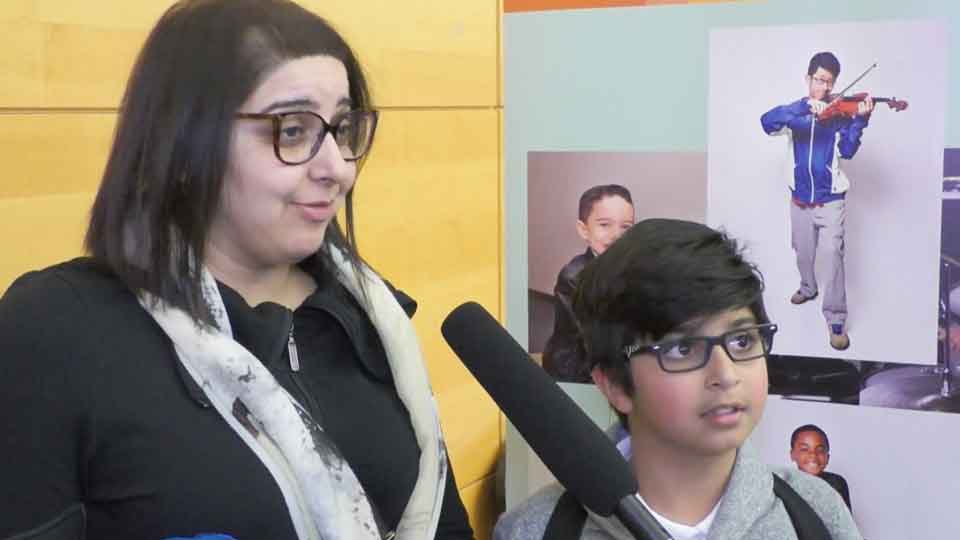
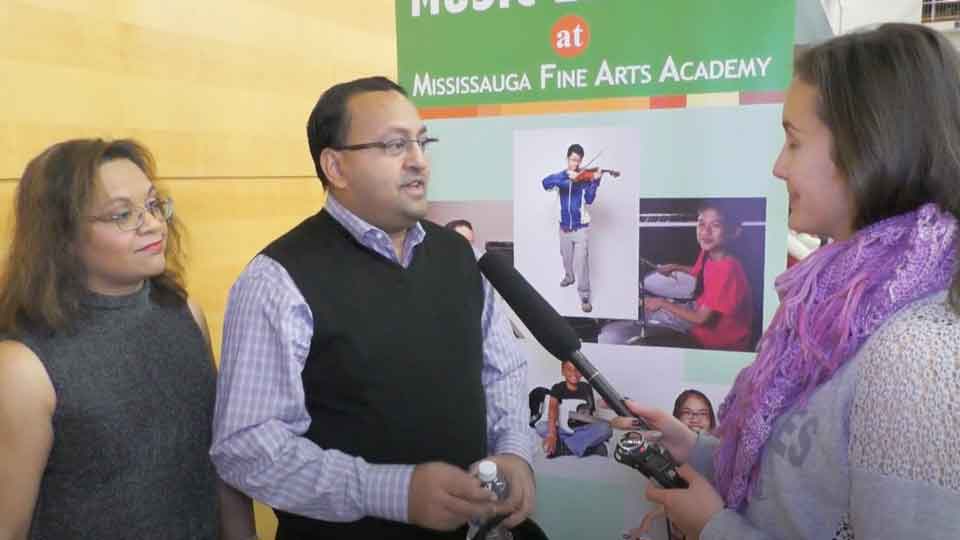
Please take a moment to watch some of the testimonials discover what students and their parents have to say about their experience with our prestigious music school.

Our Music School & Violin Teachers

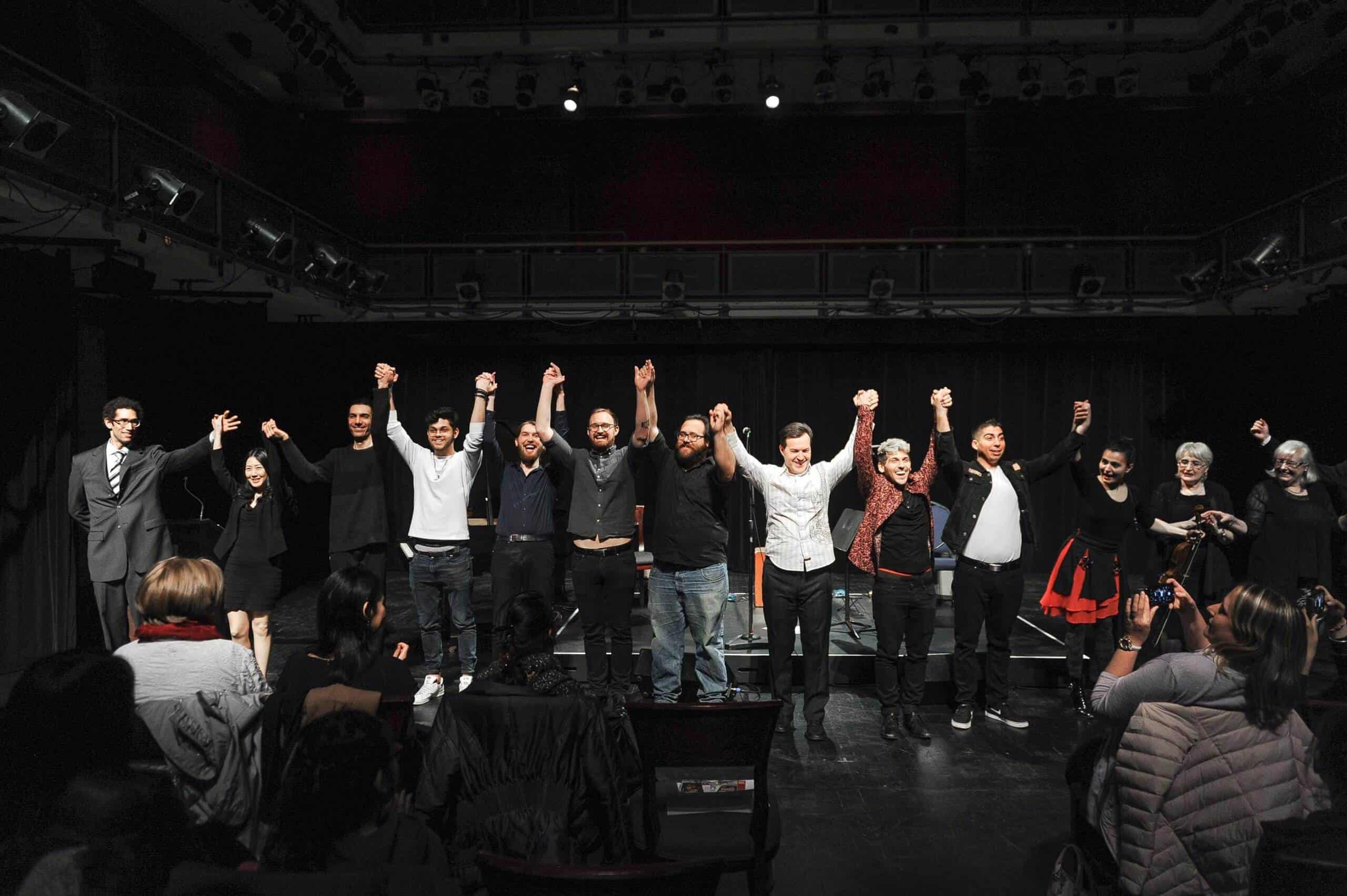
Mississauga Fine Arts Academy Teacher Performance

Our accredited teachers have received their education and degree from prestigious institutions such as The University of Toronto, Humber College, York University, Berklee College of Music, Glenn Gould Professional School, McGill University Faculty of Music, and hold university degrees, Masters and Bachelor degrees in music and art. 

Our instructors are talented musicians that have gone on performance tours in Canada, the US, and Europe and have over 30 years of professional performance and teaching experience. In addition to their teaching credentials, our teachers have warm personalities, are extremely friendly, and strive to get to know each student and their parent on a personal level.

Our Academy of Music provides one-to-one violin lessons for children (age 6 and up) and adults. Regardless of your previous musical education or your skill level, we are sure that you will find what you need at our Academy of music.

Our Music Lessons

Beginner level lessons are available for anyone just starting to learn to play to provide a solid foundation. For advanced students who already have an excellent foundation and are looking for a way to improve their craft, we provide advanced level violin lessons.
There is always room for special considerations when requests are made to our dedicated music educators. Your selected teacher will work with you and/or your child to provide musical instructions according to your/your child's special needs, learning curve, and learning style.

This violin learning journey is made possible through a cutting-edge curriculum developed in collaboration with the Royal Conservatory of Music. Our collaboration with the Royal Conservatory of Music guarantees our violin students access to a nationally accredited program. Our music teachers will prepare you for the Royal Conservatory of Music exams (RCM examinations) on all major instruments: Violin, Voice, Piano, Guitar, and Cello.

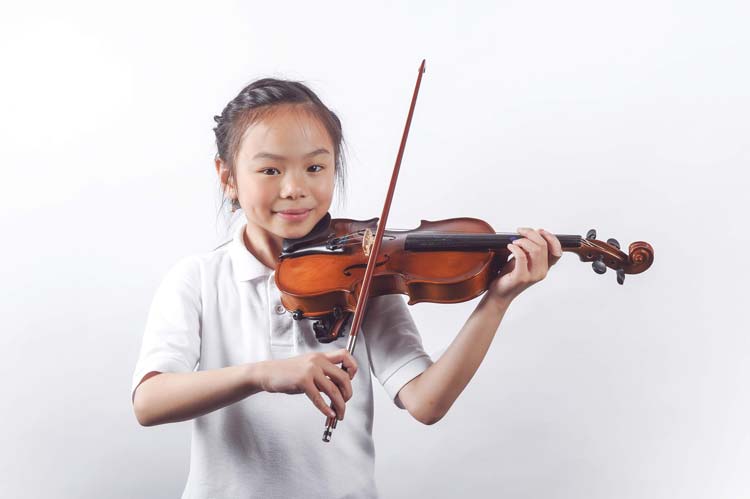
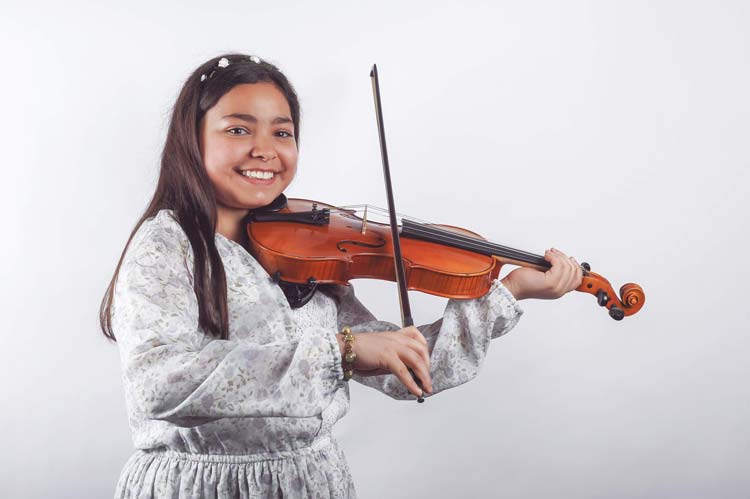
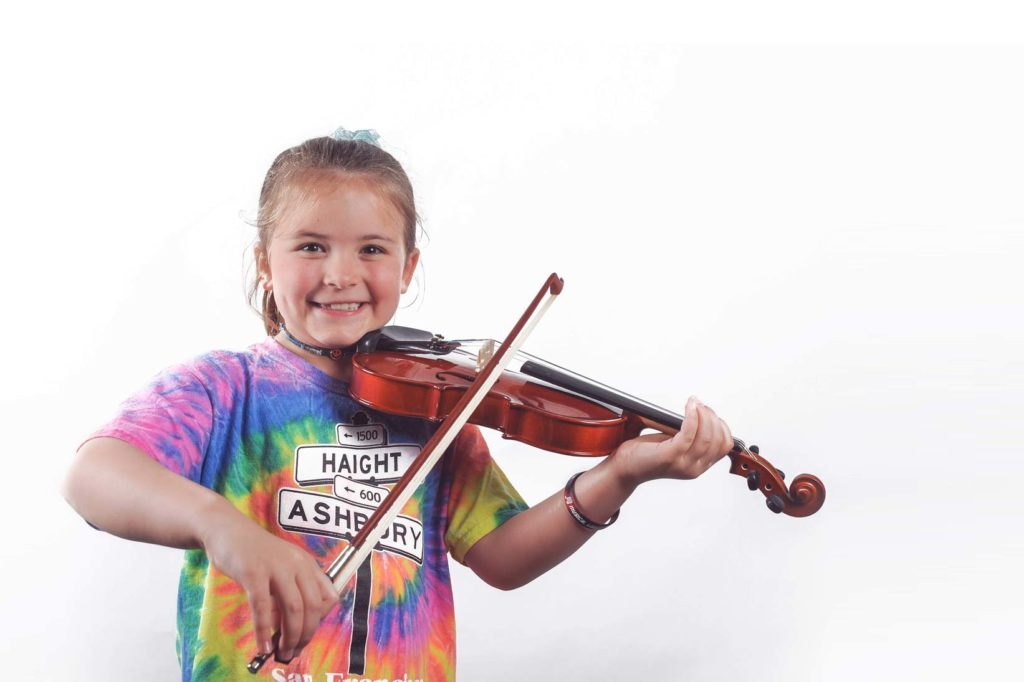
Girl Playing The Violin

We prepare our students for their auditions and the Royal Conservatory of Music examination requirements in classical repertoire, technique, music theory, ear training and sight reading.

We teach all styles of music like popular music, rock, jazz, country, blues, and classical.

Our students participate in competitions, an annual recital and many music festivals during the school year, including the Peel Music Festival where they have received many awards.

Have you always wanted to learn to play the violin but have been putting it off? 

It’s never too late to make the first step and sign up for your first violin lesson. Don’t be discouraged by any talk you hear or read about how difficult it will be to learn to play the violin. With a desire in your heart, passion for music, diligent practice, and violin lessons tailored according to your individual needs, you are guaranteed to succeed.

The Most Popular Instrument

Now let's learn more about the violin, arguably, the most popular instrument in the world.

Interesting things about the violin

  • The violin also called a fiddle, is a small bowed stringed musical  instrument 

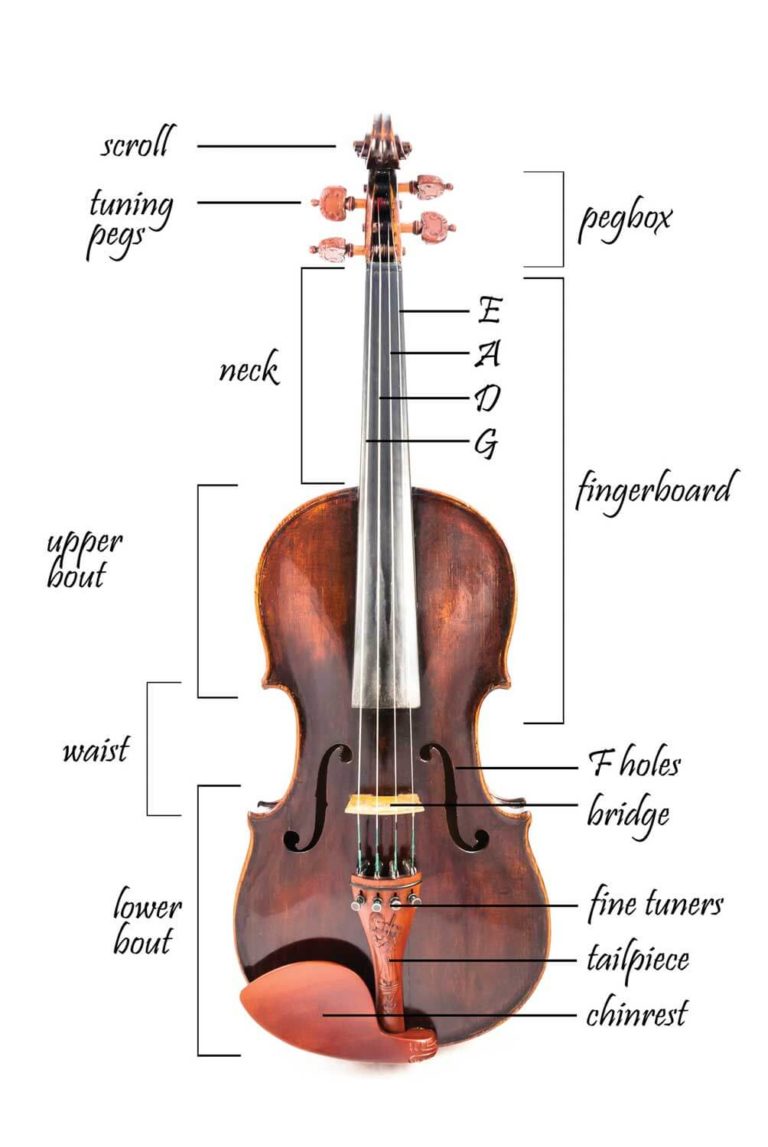
  • It has four strings hitched to the tuning pegs and the tailpiece, passing over the bridge

  • The strings on the violin are tuned to the fifths

  • The strings were initially made of catgut (sheep intestine) than later on from nylon and steel 

  • The violin has an unfretted fingerboard, unlike its cousin the viol

  • It has a hollow wooden body with wasted sides and a soundboard connected to the back by a soundpost

  • The soundpost also supports the bridge

  • The violin is typically made of spruce or maple wood

  • It has two f-shaped sound holes

  • When played, the violin is held nearly horizontally against the player’s neck and under the chin

  • The violin is played by drawing a bow across the strings and sometimes strummed or plucked

  • The bow may contain 150 to 200 hairs made up of various materials including horsehair and nylon

Violin Parts Depicted
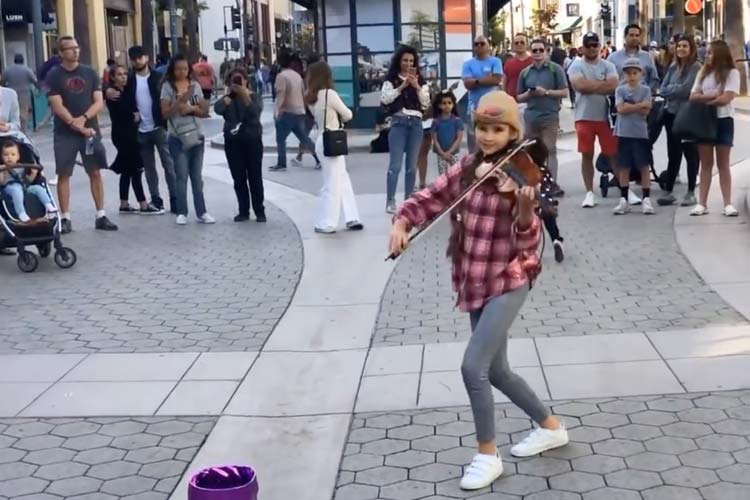
Street Performance of Karolina Protsenko Playing The Violin

To hear the sound of the violin check out this fun performance by the phenomenal eleven-year-old violin player Karolina Protsenko.

In this video she shares her passion for the violin with her audience on the street and also with millions of people viewing her videos on her YouTube channel.

the origin of the name

The word ‘violin’ comes from the Medieval Latin word “vitula” meaning “stringed instrument”.

Also, it has been said that its origin is based on the verb ‘vitulare’ meaning ‘to sing or rejoice’. The word “vitula” evolved into the Italian “viola” and then the “violino” where the English word “violin” came from.

The violin is also called a “fiddle”. The word “fiddle” has the same meaning as the violin. It was first used In English in the late 14th century. It is believed to be derived from the Old High German word “fidula,” derived from the Italian “vitula.”

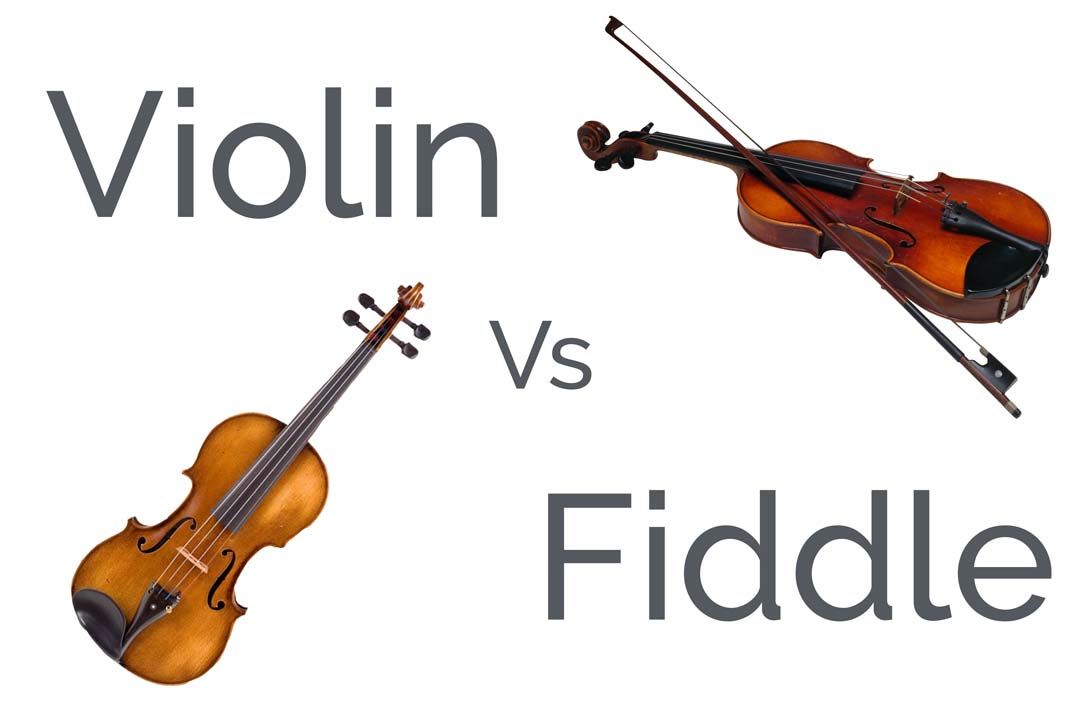
Violin vs Fiddle

If you have ever wondered about the difference between the violin and the fiddle, you would be surprised to learn that there is no difference in the instrument itself. 

So, the violin is essentially the same as the fiddle, a four-string instrument played with a bow. It can sometimes be strummed or plucked. The physical appearances of the violin and the fiddle are the same. 

Violin vs Fiddle

The difference is in the style of music played leading to some variations to accommodate the player's preferences. The violin is mostly associated with classical music, while the fiddle is associated with bluegrass, folk, and country music.

History of the Violin

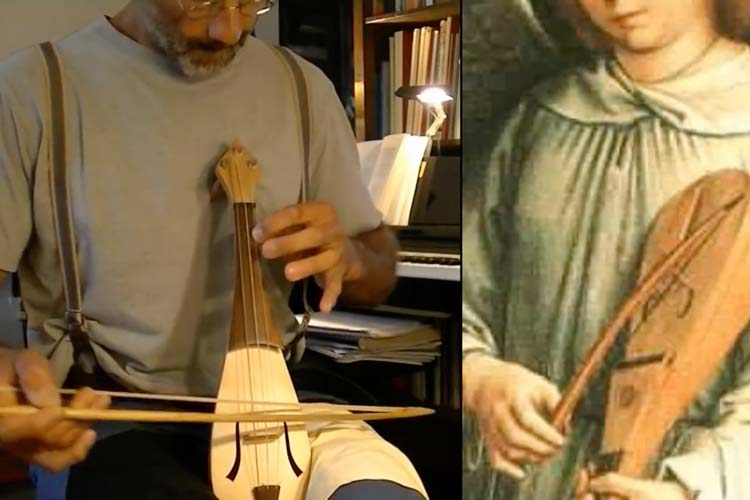
The violin is a bowed string instrument that appeared in its current form in Italy in the 16th century. Its ancestors are thought to be the European lira (as early as the 9th century), the Arabian rabab, and the Oriental rebec. In the middle ages, the rebec was brought to Europe and played in Spain and France.

To hear the sound of the rebec check out this video.

Rebec - Violin Predecessor

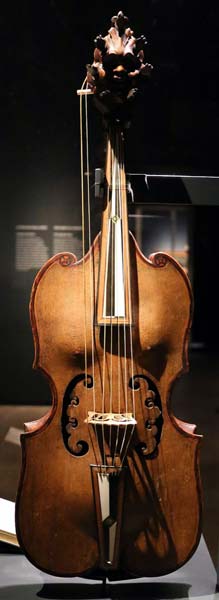
The lira evolved to the Italian offshoot “lira da braccio,” a bowed string instrument with a square-shaped body. It was played while held in the player's arms. 

Lira da braccio by Giovanni d’Andrea, (1511) as seen at the Kunsthistorisches Museum Vienna

Lira da braccio - Violin predecessor

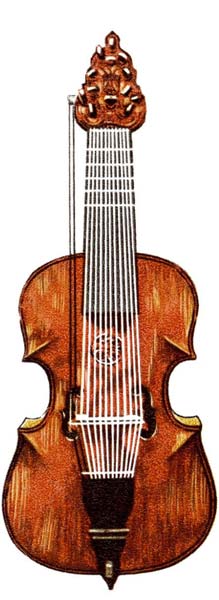
The other offshoot of the lira was “lira da gamba”, an instrument positioned between the player's legs kind of like today’s cello. Lira da gamba (below), also called lirone.

Lira da gamba - Violin predecessor

Stradivarius, The Most Expensive Violin In The World

The master period of violin making was between the 16th and the 18th century. Northern Italy was the birthplace of the violin where the first violin was made by Andrea Amati somewhere around the middle of the 16th century. Other violin makers that followed were his son Nicola Amati, Gasparo da Salo, Giovanni Paolo Maggini, and Andrea Guarnieri.

By the second half of the 17th and at the beginning of the 18th centuries, at the top of the art of violin making, Antonio Stradivari made around one thousand violins during his violin making career. Around six hundred and fifty of Stradivari’s violins are thought to be still in existence today. They are worth millions of dollars. Despite the use of modern technology many attempts to reproduce the brilliant timbre of Stradivari’s violins have failed.

Now, let's hear the sound of this so-called Strad violin in this video along with some research findings comparing the Stradivarius and the modern violin here:

Stradivarius violins are worth millions

Relatives of The Violin

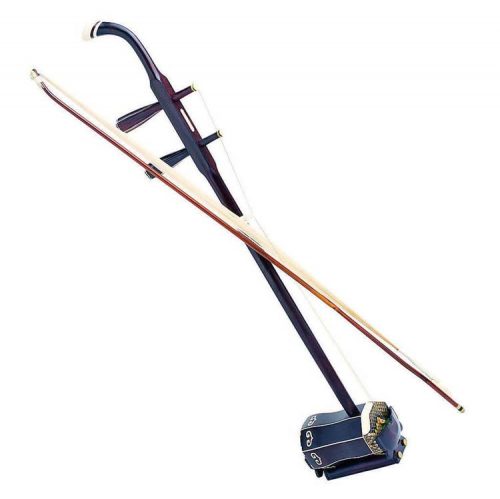
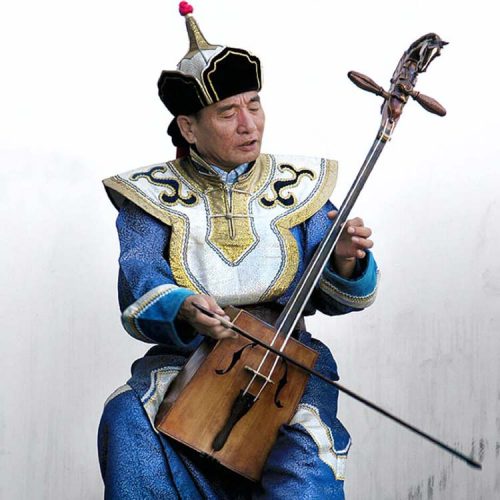
Relatives of the violin include the Chinese erhu and the Mongolian morin khuur.

Chinese Erhu - Violin Predecessor

Chinese erhu

The erhu is a two-stringed bowed instrument used in Chinese folk music. It is made of wood and has a long round neck attached to a resonating box that is covered with snakeskin. The bow is made with horsehair, rosined on both sides. The bow is inserted between the two strings of the erhu and the strings are played one at a time.

Mongolian morin khuur

The morin khuur, also called a “Horsehead fiddle”, is a traditional Mongolian bowed string instrument, very important to the Mongol people. It has a wooden soundbox, often covered in camel, goat, or sheepskin. The morin khuur has two strings, made of horsehair and attached to the soundbox. It’s played sitting down, held between the knees of the player.

Mongolian morin khuur - Violin Predecessor

Famous classical violin players and composers

Achieving the recognition of one of the best violin players in the world requires mastering the craft of creating music on the violin. This craft requires talent and dedication.

Here are a few names of some of the world-renowned violin virtuosos:

Great Fiddle Players

Some well-known fiddle players in the folk, country, bluegrass genre include:

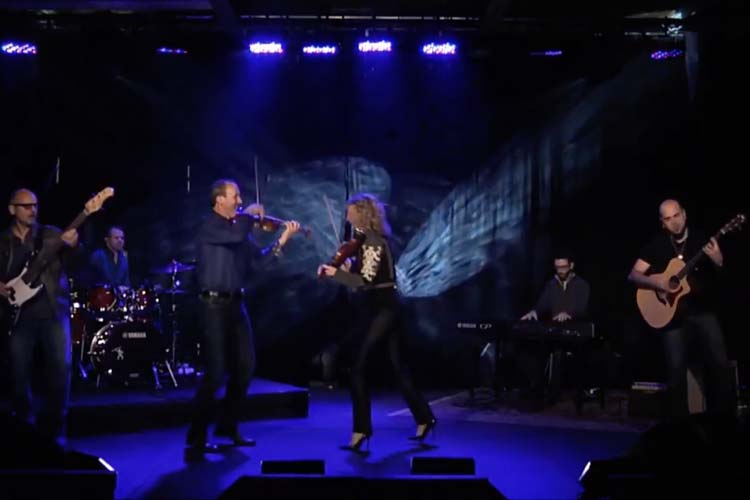
In this video, Natalie MacMaster and her husband Donnell Leahy, both renowned Canadian fiddlers, are performing “A Celtic Family Christmas!” - Their fiddle playing is lively, soft, beautiful, and masterful, all at the same time.

Fiddle Player - Natalie MacMaster

Benefits Of Learning To Play The Violin

  • Improved sensory and motor skills

  • Improved posture and upper body strength

  • Improved memory, concentration, and attention span

  • Improved social skills, a sense of belonging

  • Improved self-esteem

  • Improved mental function and mental health

  • Improved response to stress

  • Learn how to performing in front of an audience

  • Learn about discipline, perseverance, and time management

  • Feelings of joy and satisfaction brought by making music

Benefits of Playing the Violin

FAQ

The academy provides one-to-one violin lessons for children starting at age 6 and up, as well as for adults. Age 6 is generally considered the appropriate developmental stage for the physical coordination and focus required to learn the violin effectively.

You will need an instrument to practice, but you don't necessarily have to buy one immediately. Students can rent violins from local music stores. The teacher can advise on the correct size (e.g., 1/2 size, 3/4 size) during the first lesson to ensuring a proper fit for the student.

The instrument itself is identical—a four-stringed bowed instrument. The difference lies in the style of music played. "Violin" is typically associated with classical music, while "Fiddle" refers to Folk, Bluegrass, or Country styles. The academy's teachers are skilled in teaching both styles based on the student's preference.

Yes. The school’s curriculum is developed in collaboration with the Royal Conservatory of Music. The accredited teachers prepare students for all levels of RCM violin examinations, covering classical repertoire, technique, ear training, and sight-reading.

Yes. While the foundation often involves classical technique to build skills, the teachers also instruct students in popular music, rock, jazz, country, and blues. Students are encouraged to learn the music they are passionate about.

Yes. The academy offers private online violin lessons for students who prefer to learn from home. These lessons are conducted live via video, allowing the teacher to correct posture and technique just as they would in an in-person class.

Beyond musical enjoyment, the academy highlights that playing the violin improves sensory and motor skills, posture, upper body strength, and concentration. It also fosters discipline and helps improve self-esteem through performance opportunities.

Private violin lessons are priced at $39.50 per 30-minute session. Lessons are scheduled once a week, seven days a week, and there is a one-time registration fee of $25 for new students.

We provide one on one private music classes, including RCM theory classes, voice lessons, and harmony lessons, in person at our convenient Mississauga location and online voice and harmony lessons.

Our current rate is $39.50 per 30-minute private music lesson.

Lessons are scheduled once a week and available seven days a week.

There is a one-time registration fee of $25.00.

No prior musical experience is required to start lessons.

Come, become a member of the Mississauga Fine Arts Academy music family! We will ignite your talent and help you discover and grow your ability to sing well and harmonize with ease.

Programs Designed To Help You Grow

You can discover this beautiful instrument and its numerous benefits by signing up for your first violin lesson. You will see for yourself the difference private music lessons make in your music education. It will help you develop music appreciation, knowledge, and confidence that help you succeed at any university music examinations, RCM examinations, or any other type of music exam that you may need to take. Get the best music pedagogy provided by our experienced teachers.

The Mississauga Fine Art Academy is a music school where young talents are ignited and steered towards success.

Our inspiring violin teachers here at the Mississauga Fine Arts Academy will provide you with the appropriate teaching style and will ensure that your violin lessons are tailored to your needs. They will work diligently to ignite the talent within you and help you succeed.

Our students participate in an annual recital and many music festivals during the school year, including the Peel Music Festival where they have received many awards.

Our Academy of music provides many other different types of private lessons. To accommodate your busy schedules and lesson preferences we provide in-person music lessons in Mississauga (Peel Region) and online music lessons, including:
Request Info

You can text Mississauga Fine Arts Academy for information regarding our services. By texting Mississauga Fine Arts Academy, you agree to receive Conversational, Marketing and Lessons Related Updates and Promotional messages from Mississauga Fine Arts Academy. Reply STOP to opt-out; Reply HELP for support; Message & data rates may apply; Messaging frequency may vary. Visit www.mississaugafineartsacademy.com to see our privacy policy and www.mississaugafineartsacademy.com for our Terms of Service.

Claim Your Free Registration

Be inspired and celebrate the new year with music lessons at Mississauga Fine Arts Academy – Claim your FREE registration and 1st FREE class to save up to $62.50

*Valid only for new students. Limit one per student. Cannot be combined with any other offer. By claiming this offer you agree to be contacted by our office.
By checking this box, I consent to receive text messages related to scheduling confirmations, appointment or cancellation reminders, and rescheduled appointments, motivational messages and program participation-related messages, Invoice receipts, payment confirmations, upcoming recitals, school closures due to weather, changes to policies, updates with concert dates and times, and new program special offers, seasonal discounts from Mississauga Fine Arts Academy. You can reply STOP to opt out at any time. Messages and data rates may apply. Message frequency will vary. Reply HELP to (905) 276 0251 for assistance. For more information, refer to our Privacy Policy and SMS Terms and Conditions on our website.
Mississauga Fine Arts Academy Logo

What is the Musical Ladder Reward System?

At Mississauga Fine Arts Academy, we believe every student benefits from setting and achieving personalized goals. That’s why we use the Musical Ladder System—a unique, motivational program that celebrates students’ progress in music, just like karate belts or swimming levels.

With the Musical Ladder System, each student receives a customized learning plan, and every 3-6 months, they’re tested on their progress and knowledge. As they reach new milestones, we celebrate their achievements with fun rewards, including bracelets and trophies, to recognize their dedication and growth as musicians.

This approach keeps students motivated and inspired, making learning music an exciting journey.

Submit News